


When a phone starts feeling crowded, the first problem is often not obvious. A few large videos, repeated downloads, forgotten screenshots, or leftover files can quietly make everyday tasks feel less comfortable. Phone Clean Finder, a free tools app from Signorelli Studio, is aimed at that simple problem: helping you look for unnecessary clutter instead of forcing you to hunt through folders one by one. I found its appeal easy to understand because it focuses on a practical job rather than trying to become an all-purpose phone manager.
The app has already attracted a sizeable audience, with more than five million installs and an average rating of 4.5 from roughly sixty thousand ratings. That gives it a useful level of real-world visibility, although popularity alone does not tell me whether it suits every device or cleaning habit. My experience with this kind of tool is that the best choice depends less on flashy promises and more on how clearly it presents findings, how carefully I can review them, and whether it stays comfortable to use when storage is under pressure.
How Phone Clean Finder feels during everyday use
A straightforward starting point for finding clutter
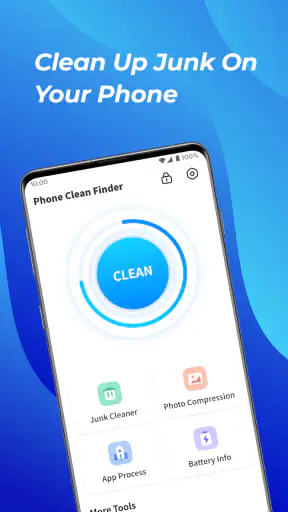
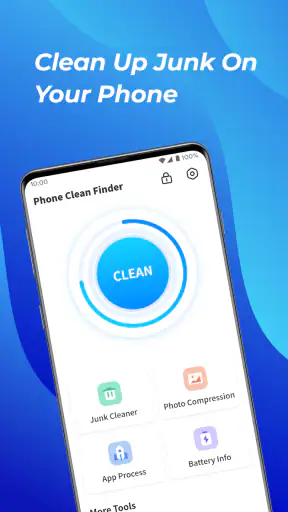
The main strength of Phone Clean Finder is its clear purpose. Its store summary, “Keep your phone clean!”, is brief, but it describes the intended role accurately. This is not an app I would install for entertainment, messaging, or deep system administration. I would open it when I want a focused look at files that may no longer deserve space on my device.
That focused approach matters because manually cleaning a phone can become a tedious sequence of opening folders, sorting by size, checking dates, and deciding whether a file is safe to remove. A finder-style tool can make that first inspection less tiring. I still expect to make the final decision myself, especially with personal photos, work documents, downloaded media, and files that might be useful later.
For a friend asking whether it is worth trying, my answer would be yes if the goal is finding storage clutter with less manual searching. I would not describe it as a magic button that makes every device faster. Removing unneeded files may create breathing room, but it does not automatically repair a weak battery, improve a poor network connection, or transform an older phone into a newer one.
What speed should you expect?
The perceived speed of a cleaning app depends heavily on the amount of storage it needs to examine and the condition of the phone itself. On a device with a modest amount of content, the initial inspection should feel like a reasonable short task rather than something I would leave running all day. On a crowded phone, the same job naturally has more ground to cover. I would begin a scan when I am not rushing to take a photo or answer an important message.
There is also a difference between the app opening quickly and the complete cleaning process finishing quickly. A clean interface can make the first part feel responsive, while file discovery still takes time in the background. I prefer to judge the experience by whether results appear in an understandable way and whether I can review them without repeated delays. A tool that finishes quickly but encourages careless deletion would be less useful than one that takes a little longer and gives me a safer decision process.
My practical advice is to run Phone Clean Finder before the phone becomes completely full. When storage is nearly exhausted, every operation can feel more fragile, and you may have less room for temporary work needed by other apps. A regular inspection is more comfortable than waiting until the camera refuses to save a recording or a large update cannot be installed.
Handling a heavy-use moment
The most demanding situation is likely to be a phone containing years of photos, videos, downloads, and app-related files. That is where expectations need to stay realistic. A broad search through a large personal library can take more time and may make the device feel busier while it is happening. I would avoid starting a deep cleanup while using navigation, recording video, or playing a demanding game.
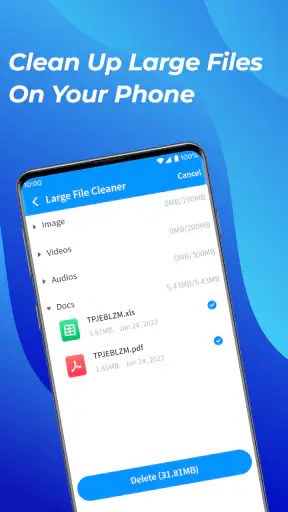
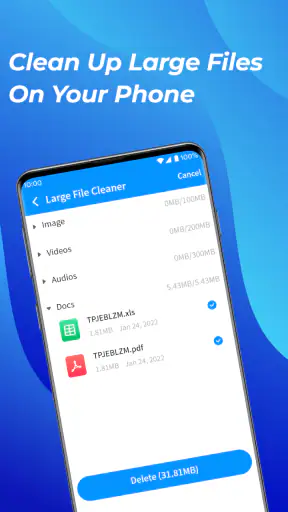
There is a useful workflow here: first look for obvious large items, then review less obvious clutter only after deciding what you genuinely need. Large videos are easier to evaluate than a folder full of similarly named files. If Phone Clean Finder presents groups of candidates, I would treat those groups as a starting point, not as automatic permission to remove everything. The non-obvious benefit is that this approach turns cleaning into a short series of decisions instead of one risky all-or-nothing action.
I would also use it before a trip, a system update, or a long recording session. Those are moments when free space has practical value. Clearing a little room in advance is less stressful than discovering the problem when the phone is already busy. This is one of the app’s strongest everyday use cases because it connects storage maintenance to a real need rather than an abstract desire for a cleaner device.
Stability and trust during cleanup
For this category, reliability is not only about whether the app opens. It is about whether the review process feels predictable. I want to know what I am looking at, pause before removing anything important, and avoid confusing actions that could lead to regret. Phone Clean Finder is most useful when I treat it as a discovery and organization aid, while keeping personal responsibility for the final cleanup.
The app is rated for Everyone, which makes it approachable for a broad audience, including people who may not be comfortable navigating file managers. That does not mean every recommendation should be accepted without thought. A file can look old or duplicated and still matter. A downloaded document may be needed later, and a photo that seems repetitive may be part of a family memory. The safest habit is to inspect names, locations, previews, or other available context before confirming removal.
One realistic scenario is a family phone shared by several people. A child may download media, a parent may save work attachments, and someone else may keep duplicate images from a messaging conversation. In that situation, I would not press a broad cleanup option immediately. I would use the app to identify where the space is going, then ask who owns the files. That extra step is slower, but it is exactly the kind of caution that prevents a storage tool from becoming a source of avoidable loss.
Resource demands on different devices
Phone Clean Finder supports devices running Android 7.0 or later, so its potential audience includes both newer phones and older hardware. That range matters. A recent device with plenty of memory may handle a large inspection more comfortably, while an older phone may show more noticeable pauses when examining a crowded storage area. I would keep other demanding apps closed during a larger cleanup on older hardware.
The current version is 1.1.4, and the app was released on December 20, 2024. Those details place it in a relatively recent part of the app landscape, but they do not guarantee identical behavior on every phone. Android manufacturers change background management, storage layouts, and system interfaces, so the experience can vary by model. If your phone is old, heavily customized, or already struggling with basic tasks, start with a small cleanup and observe how it behaves rather than expecting an instant transformation.
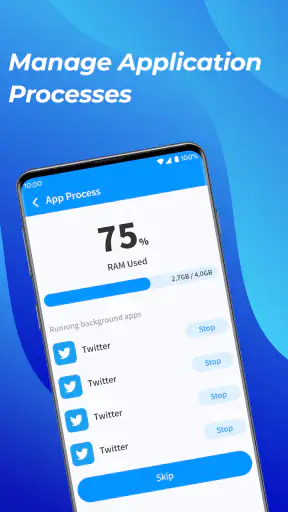
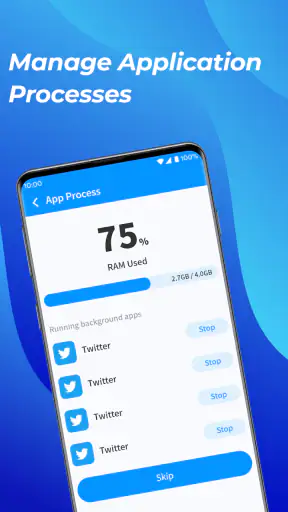
Resource use is also about attention. A cleaning tool can demand more from the user than from the processor if its results are unclear. I would rather spend a few minutes checking candidates than approve a large batch without understanding it. For that reason, the app is a better match for people willing to review what they remove than for someone looking for a completely automatic maintenance routine.
Where it compares well with usual alternatives
The usual alternatives are manual file browsing, the storage tools built into Android, and broader utility suites that combine cleaning with battery, security, or device-management features. Android’s own storage view can be enough when I already know which category is consuming space. A file manager is better when I need precise control over folders and individual files. A broader utility suite may appeal to someone who wants several maintenance functions in one place.
Phone Clean Finder makes more sense when I want a dedicated starting point for locating clutter without learning a complicated file structure. Its narrow focus can be an advantage because there are fewer unrelated controls competing for attention. On the other hand, that same focus may feel limiting to experienced users who want detailed folder operations, advanced sorting, cloud-storage management, or a complete view of system behavior.
I would choose the built-in Android tools when I am already comfortable with them and only need a quick storage overview. I would choose a full file manager when I am moving documents between folders or managing work files. I would choose Phone Clean Finder when my problem is uncertainty: I know the phone is crowded, but I do not yet know where the unnecessary material is hiding.
Three habits that make the app more useful
First, I would use it as an inspection step before deletion. That sounds obvious, but it changes the app from a risky cleaner into a decision aid. I would separate files that are clearly disposable from files that need a second look. Screenshots, old downloads, and repeated media may be easy wins, while personal photos and documents deserve more care.
Second, I would make a temporary holding plan for anything important. If a file matters, move or back it up through a method you already trust before removing a local copy. Phone Clean Finder should not replace a backup routine. A cleaner phone is useful, but it is never a substitute for keeping another copy of irreplaceable material.
Third, I would measure success by usable space and fewer storage surprises, not by how often I run the app. Repeatedly cleaning tiny amounts can become busywork. A more sensible pattern is to check after periods of heavy downloading, media sharing, travel, or long-term use. This keeps the tool connected to an actual storage problem and avoids turning maintenance into a daily chore.
Who should install it, and who should skip it?
I think Phone Clean Finder is a good fit for people who regularly receive media through messaging apps, download files for temporary use, or feel unsure about which items are occupying their storage. It can also help less technical users begin an organized cleanup without immediately confronting a complicated folder structure. Because it is free, trying it does not require a purchase decision, which lowers the barrier for occasional use.
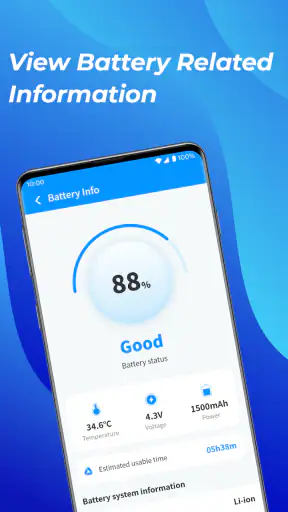
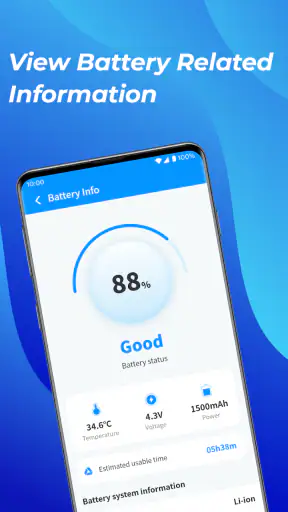
I would be more cautious about recommending it to advanced Android users who already understand storage categories and want granular file control. A dedicated file manager or the phone’s own storage settings may provide a more direct route for them. I would also skip it if my only goal were improving battery life, removing malware, or speeding up mobile data. A storage finder should be judged by storage-related results, not by expectations outside its job.
People with extremely valuable or sensitive files should take the same care they would with any cleanup utility. Review before removal, keep backups, and do not assume that an item is safe to delete simply because it appears old or duplicated. The app can reduce the searching burden, but it cannot know the personal meaning of every file on the phone.
My performance verdict
After looking at Phone Clean Finder as a practical maintenance tool, I see its value in reducing the friction of the first cleanup step. It gives users a focused way to investigate storage pressure, and its free availability makes it easy to test on compatible Android devices. The broad adoption and 4.5 average rating suggest that many people find the concept useful, though I would still judge the experience on my own phone and storage habits.
Its performance expectations should stay grounded. A smaller or moderately used device should offer a more comfortable inspection, while a heavily packed older phone may require patience and a quieter moment. The app is not a replacement for backups, a full file manager, or system-level troubleshooting. Its strongest role is narrower and more practical: helping me identify possible clutter so I can make better cleanup decisions.
My recommendation is to try it when storage is becoming inconvenient, then use it deliberately rather than automatically. Check the findings, protect anything important, and clean in small, understandable stages. If that is the problem you are trying to solve, Phone Clean Finder is a sensible, approachable tool to keep in your maintenance routine. If you want deep device control or a guaranteed speed boost, the usual built-in tools or a more specialized alternative may serve you better.


